
Global Labour Column

coordinated by

Creating jobs now and changing the economic growth model for the future

Monday, January 25, 2010

(by John Evans)
I do not need to remind anyone reading this column that the financial crisis, which took a dramatic turn for the worse in September 2009, has plunged the world into a deep recession in which workers in industrialised and emerging countries are losing their jobs, their homes and their pensions. For those in developing countries, the consequences are even more acute. According to the ILO, globally, 60 million more workers will become unemployed this year, with an extra 240 million workers earning below one Euro a day.
The collapse of production in the last quarter of 2008 and the first half of 2009 was on a scale unseen since the 1930s. The talk of the “green shoots” of recovery is more a dream of financial markets than reality for the workers losing their jobs. There is a vicious circle where unemployment – which almost doubled in OECD countries in 2009 and will continue to rise to above 9 per cent in 2010 – also leads to collapsing house prices, driving asset prices down, pushing the financial sector into further crisis and leading to further bankruptcies and job losses in the real economy. We have not yet reached the bottom as far as unemployment is concerned, and the OECD World of Work report published in December 2009 warns, on the basis of current policies, that industrialised country unemployment will not return to pre-crisis levels before 2013.
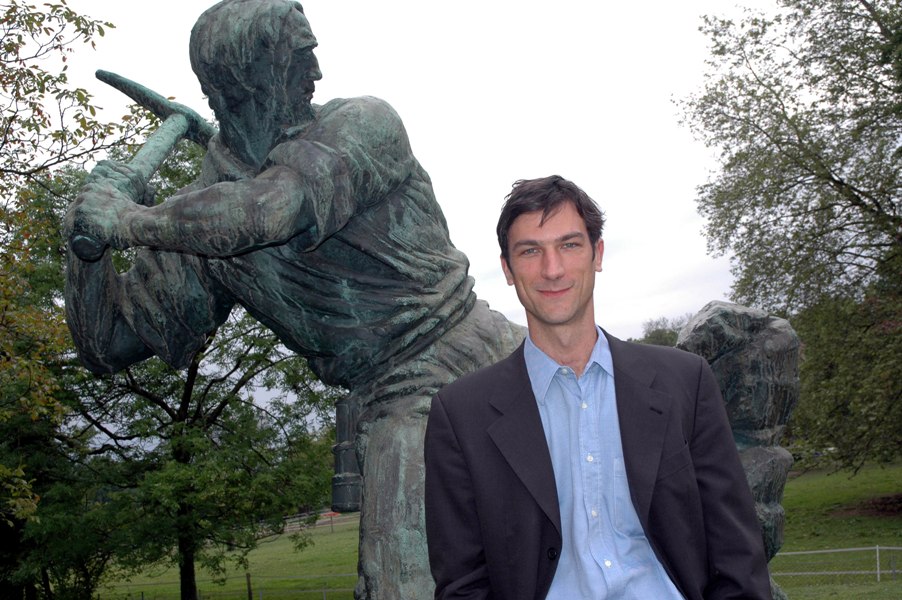

Why we should care about wages

Monday, January 18, 2010

(by Patrick Belser)
A labour market view of the crisis
The past two years have witnessed the worst global economic recession since 1929. The financial crisis, which started in the US and was triggered by a speculative bubble in the housing market, sent a shock wave through the real economy and labour markets around the world. The most immediate impact on labour markets has been the explosion of unemployment rates. In the US, unemployment figures have exceeded the 10% threshold in October 2009. The Euro area is not far behind, with an average unemployment rate of 9.7% in September 2009. In some European countries, the proportion of people looking for a job has reached dramatic proportions, with figures close to 20% in both Spain and Latvia.

Financial Crises, the Informal Economy and Workers Unions

Thursday, January 7, 2010

(by Renana Jhabvala)
Workers all over the world have been hit by the financial crisis and the unemployment rates, particularly in developed countries, have risen to high levels. Little is known, however, about the effects on the informal workers in developing countries who have no social security net or unemployment insurance, and no personal savings cushion to tide them over the crisis. Even worse, as the crisis deepened and the world began looking for solutions, these workers’ voices and concerns were not heard, as their ‘unemployment rates’ were rarely measured. Unemployment in the informal economy cannot be measured by “jobs lost”, but rather by income decline, decrease of days of work available and disappearing livelihoods.


This blog has been set up to promote an international and open debate on labour policies and globalisation. As such there is bound to be diversity of opinions in the posts. The views expressed by the individuals posting are theirs alone. The blog manager is not responsible for the accuracy and validity of the statements made in the blog. Readers should keep in mind that authors come from various countries, with different languages and cultures and there is no intention to malign any religion, ethnic group, organization, or individual.

All links mentioned are valid as on the day of the post. If any view is felt to be sensitive or hurtful, readers can bring forth their viewpoints by email.